
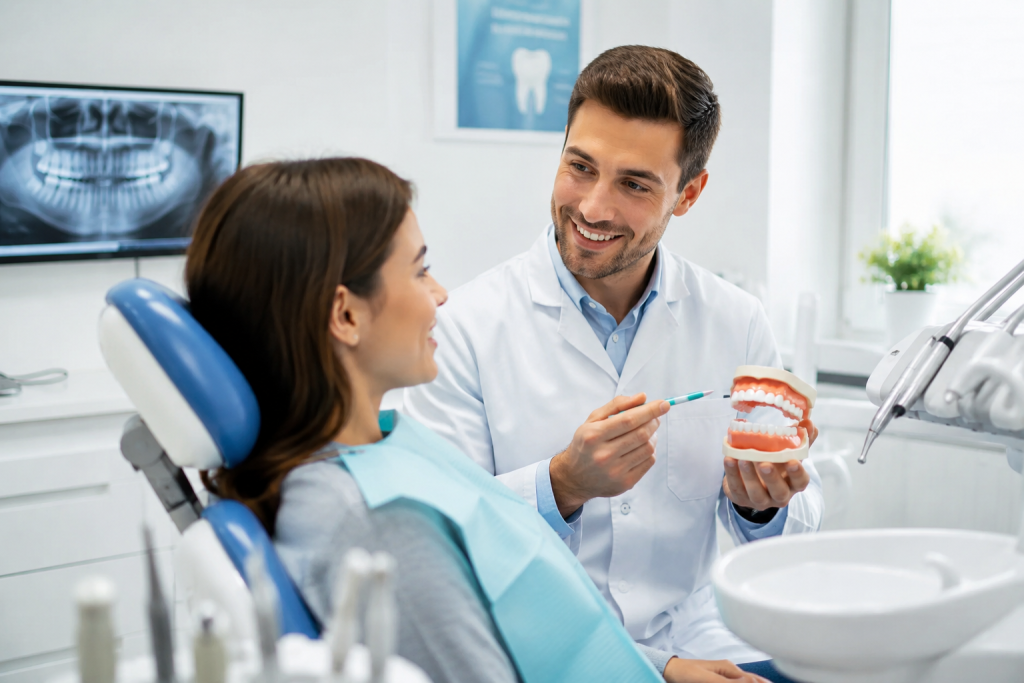
If you or someone you care for faces sudden dental pain or trauma in Palmdale, quick action makes the difference between saving a tooth and needing more extensive treatment. Contacting an emergency dentist in Palmdale right away can stop worsening pain, reduce infection risk, and preserve dental health.
They will explain when a situation truly counts as an emergency, what procedures (like extractions, root canals, or repairs) are commonly used, and how modern technology speeds diagnosis and treatment. Expect clear guidance on after-hours availability, comfort measures to ease anxiety, and practical steps to prepare for or prevent future dental emergencies.
When to Seek Immediate Dental Care
Immediate care is required for injuries, severe pain, or any situation that risks permanent tooth damage or infection. Quick treatment can save teeth, prevent complications, and reduce pain.
Common Dental Emergencies
Knocked-out teeth demand the fastest action. The patient should find the tooth, hold it by the crown (not the root), rinse debris with water, try to reinsert if possible, or store it in milk or saliva and reach an emergency dentist within 30–60 minutes.
Severe toothache that wakes a patient or radiates to the ear and jaw can indicate an abscess. Swelling of the face or jaw, fever, or trouble breathing/swallowing are red flags that require same-day care to prevent spread of infection.
Broken or chipped teeth that leave jagged edges can cut the tongue or cheek and may expose the nerve. Ulcers or lacerations inside the mouth from trauma also need prompt evaluation to assess repair and infection risk. Lost fillings or crowns causing intense sensitivity may be urgent if pain or swelling accompanies them.
Recognizing Urgent Symptoms
Intense, unrelenting pain interfering with sleep or daily activities often signals infection or severe decay and warrants immediate attention. Pain that increases when lying down or radiates into the ear suggests an advanced infection needing urgent antibiotics and drainage.
Visible swelling on the face, neck, or under the jaw is an emergency when it grows quickly or is accompanied by fever. This could indicate a spreading infection that risks the airway or systemic involvement and must be evaluated the same day.
Bleeding from the mouth that does not stop after 15–20 minutes of firm pressure requires emergency care. Difficulty breathing, swallowing, or speaking after dental trauma needs 911 or immediate transfer to urgent care, then dental follow-up once stabilized.
Distinguishing Emergencies From Routine Issues
Mild sensitivity to hot or cold without swelling or severe pain usually reflects enamel wear or early decay and can wait for a regular appointment. A loose filling causing minor discomfort is generally non-emergent unless it exposes the nerve or causes persistent pain.
Small chips without pain or sharp edges can be scheduled within a few days for cosmetic repair. Cosmetic concerns, such as staining or minor spacing changes, are routine and do not require urgent treatment.
If there is any doubt, the safest approach is to call an emergency dental clinic. The staff can triage by phone, advise immediate home care (cold compress, salt rinse, pressure), and arrange same-day treatment when necessary.
Top Emergency Procedures in Palmdale
Emergency dental care in Palmdale focuses on quick pain control, preserving teeth, and preventing infection. Patients can expect on-site diagnostics, same-day treatment when possible, and clear home-care instructions after each visit.
Toothache Relief Options
For intense tooth pain, clinics first perform a focused exam and digital X-rays to pinpoint the cause—decay, cracked tooth, abscess, or referred pain from the jaw. Local anesthesia is used immediately for severe pain; nitrous oxide or oral sedation may be offered for anxious patients.
Treatment depends on diagnosis. A deep cavity will receive removal of decay and a temporary or permanent filling; an exposed nerve often requires root canal therapy to save the tooth. For abscesses, dentists typically drain the infection and prescribe antibiotics targeted to oral bacteria, plus analgesics such as ibuprofen for pain control.
Clinics advise avoiding aspirin directly on gums, rinsing with warm salt water, and applying a cold pack externally for swelling. Clear post-treatment instructions include completing antibiotics, using recommended pain meds, and returning within a week for restorative work if only a temporary fix was placed.
Handling Broken or Lost Teeth
If a tooth is chipped, fractured, or knocked out, time and proper handling matter most. For avulsed (knocked-out) permanent teeth, the best outcome occurs when the tooth is replanted within 30–60 minutes. Patients should pick up the tooth by the crown, rinse it gently without scrubbing, and either reinsert it or store it in milk or an emergency tooth-preservation solution.
Dentists assess the tooth, surrounding bone, and soft tissue with X-rays. Reimplantation is attempted for suitable teeth, followed by stabilization with a splint for 1–2 weeks and a course of antibiotics and tetanus check if needed. For teeth with complicated fractures, repair options include bonding, crowns, or root canal therapy when the pulp is exposed.
For baby teeth, reimplantation is usually avoided to prevent damage to developing permanent teeth. Emergency appointments prioritize saving permanent teeth and restoring function and esthetics quickly.
Managing Swelling and Infections
Facial swelling signals possible spreading infection and requires prompt attention. Dentists evaluate swelling location, trismus (limited mouth opening), fever, and airway compromise; any signs of systemic involvement prompt urgent antibiotic therapy and possible referral for hospital care.
Treatment typically combines drainage of abscesses, removal of the infection source (extraction or root canal), and antibiotics selected for oral flora, such as amoxicillin or clindamycin when penicillin allergy exists. Pain control uses NSAIDs as first-line therapy and acetaminophen as adjunct when needed.
Patients receive specific home-care steps: warm saline rinses, soft diet, good hydration, and strict follow-up within 24–72 hours. They are also advised to seek emergency room care if swelling rapidly worsens, breathing becomes difficult, or fever exceeds 101°F (38.3°C).
What to Expect During Your Emergency Visit
Patients will receive a focused medical history review, targeted exam, and immediate steps to relieve pain. The team prioritizes comfort, explains findings clearly, and outlines next steps for treatment and follow-up.
Initial Assessment Process
A dental assistant or receptionist collects contact details, insurance, and a brief medical history, including current medications and allergies. They note how long the pain or swelling has lasted and any recent injuries or dental work.
The dentist then performs a focused oral exam, visually inspecting teeth, gums, tongue, and bite. They may gently palpate the jaw and lymph nodes to check for infection or trauma.
Digital X-rays or a cone-beam scan are often taken on-site when a root fracture, periapical abscess, or impacted tooth is suspected. These images guide immediate decisions like extraction, incision and drainage, or temporary stabilization.
Clinicians document findings in the chart and explain the diagnosis in plain language. They present one or two prioritized treatment options, associated costs, and expected timelines to help patients make informed choices quickly.
Pain Management and Comfort Measures
Clinicians ask about pain level using a simple 0–10 scale and check vital signs if infection or systemic symptoms appear. For severe pain, they may administer local anesthesia to numb the area before any procedure.
Over-the-counter analgesics (ibuprofen or acetaminophen) are recommended when appropriate, with dosing instructions based on age and medical history. The dentist may prescribe short courses of antibiotics for spreading infection and a limited opioid only when absolutely necessary.
Immediate comfort measures include cold compresses for swelling, saline rinses for cleansing, and temporary restorations or crowns to protect exposed nerve tissue. For displaced or avulsed teeth, the team follows evidence-based protocols for repositioning or storage media to improve salvage chances.
Staff also addresses anxiety with calming techniques and clear play-by-play explanations. Nitrous oxide or oral sedation may be offered for highly anxious patients when the clinic supports it.
Follow-Up Care Planning
Before the patient leaves, the dentist gives a written care plan listing next steps, medications, and emergency contact numbers. The plan includes scheduled follow-up appointments for definitive treatment like root canal therapy, final restorations, or extraction healing checks.
Staff provides home-care instructions: how to take prescribed medicines, diet restrictions, and wound care (e.g., avoid spitting after extraction, use gauze for bleeding). They also explain signs that require an immediate return, such as persistent fever, increasing swelling, or uncontrolled bleeding.
If specialist referral is needed — oral surgeon, endodontist, or ENT — the clinic coordinates the referral and sends relevant imaging and records. Billing staff reviews payment options and helps schedule appointments before the patient departs.
After-Hours and Weekend Availability
Patients can find reliable emergency dental care in Palmdale outside normal office hours, including nights and weekends. This section explains where to call, what services are typically available, and how clinics prioritize urgent cases.
24/7 Support in Palmdale
Several Palmdale dental practices and regional clinics offer 24/7 phone triage or on-call dentists for true emergencies like uncontrolled bleeding, severe facial swelling, or intense pain that prevents sleep. Call lines usually connect to a trained staff member who evaluates symptoms and directs patients to immediate care or schedules the earliest possible appointment.
Some clinics rotate on-call duties among local dentists to provide continuous coverage. Others partner with nearby urgent care centers or hospital-affiliated dental services to handle after-hours surgical needs or cases requiring IV sedation. Patients should confirm whether the clinic accepts their insurance and whether after-hours visits incur additional fees.
Keep a short list of local numbers and office locations on the phone. Note which providers offer virtual consultations after hours for initial assessment and pain management recommendations.
How to Reach a Dentist in Urgent Situations
If a dental emergency occurs, call the dental office’s main number first; many have automated options to connect to on-call staff. For life-threatening signs—difficulty breathing, severe uncontrolled bleeding, or major facial trauma—call 911 immediately and inform responders it involves dental injury.
When calling the dentist, be ready to describe symptoms, injury time, recent medical history, and any current medications. For knocked-out teeth, bring the tooth in milk or saline and arrive within an hour for the best chance of re-implantation. For severe pain or swelling, the dentist may provide temporary measures (pain control, antibiotics) and schedule the earliest in-person visit.
Record office after-hours instructions and the on-call dentist’s name. That information speeds care and reduces stress during urgent situations.
Modern Technology and Advanced Treatment Options
Emergency dental care in Palmdale uses digital tools and less invasive techniques to diagnose pain quickly and treat problems with fewer visits and less discomfort.
Digital Diagnostics for Faster Results
Clinics use digital X-rays and cone beam computed tomography (CBCT) to capture high-resolution images in seconds.
Digital X-rays cut radiation exposure by up to 80% compared with film and let clinicians zoom in on root fractures, abscesses, and bone loss immediately.
CBCT provides 3D views of tooth roots and jaw structures, which helps pinpoint infections, impacted teeth, or complex root canal anatomy before treatment begins.
Intraoral cameras show enamel chips or gum inflammation on a chairside monitor so patients see the issue and understand the proposed fix.
Electronic pulp tests and digital periodontal probes quantify nerve vitality and pocket depths, guiding urgent decisions like extraction versus root canal.
Digital records and secure image sharing speed referrals to oral surgeons or endodontists when specialty care is needed.
Minimally Invasive Procedures
Emergency dentists favor preservation techniques such as partial pulpotomy for recent traumatic exposures to save the tooth pulp when feasible.
For severe decay or infection, clinicians often perform single-visit root canal treatment using rotary endodontic instruments and irrigation systems that clean canals more thoroughly in less time.
Same-day bonded restorations with composite resin or CAD/CAM-fabricated crowns reduce the need for temporary crowns and follow-up visits.
Laser therapy treats soft-tissue issues like gingival swelling and can reduce bleeding and post-procedure pain.
When extractions are unavoidable, atraumatic techniques and socket preservation minimize bone loss and make future implant placement easier.
Patients benefit from these technologies through shorter appointments, lower complication rates, and faster relief from pain.
They should ask the clinic which digital diagnostics and minimally invasive options are available during emergency visits.
Patient Comfort and Anxiety Management
This section explains practical ways clinics reduce pain and calm anxious patients during emergency visits, and outlines sedation choices available for severe fear or complex procedures.
Gentle Techniques for Nervous Patients
Clinics use targeted strategies to lower stress quickly. Staff greet patients warmly, explain each step before starting, and offer noise-cancelling headphones or a stress ball to provide immediate sensory relief.
Dentists apply topical anesthetic to numb injection sites, then use slow, steady injections with fine needles to reduce sting. They employ bite blocks, gauze support, and short, focused treatment segments to prevent jaw fatigue and overwhelm.
Clear communication matters: clinicians describe time estimates, pain expectations, and post-op sensations in plain language. They encourage patients to signal with a raised hand if they need a break, giving control back to the patient and improving cooperation.
Options for Sedation
Clinics commonly offer three escalating sedation levels: nitrous oxide (laughing gas), oral sedatives, and IV sedation. Nitrous oxide provides light anxiety relief within minutes and wears off quickly, making it suitable for short emergency procedures.
Oral sedatives (e.g., low-dose benzodiazepines) take effect in ~30–60 minutes and reduce anxiety without full unconsciousness; patients should arrange a ride home. IV sedation offers deeper relaxation and rapid adjustment by the clinician, useful for extensive cleaning, multiple extractions, or severe phobia.
Before any sedative, providers review medical history, current medications, and vital signs to choose the safest option. They monitor oxygen levels and responsiveness throughout treatment and give clear aftercare instructions, including timelines for recovery and restrictions on driving or operating machinery.
Preparing for a Dental Emergency
Keep a compact, labeled kit and know simple steps to reduce pain and protect teeth before arriving at the office. Clear instructions, emergency contact info, and a few supplies can make the difference between saving a tooth and losing time.
Items to Keep in Your At-Home Kit
- Contact info card: Include the emergency dentist’s phone, office address, after-hours number, and your insurance details on a waterproof card.
- Sterile gauze and clean cloths: For controlling bleeding and applying gentle pressure. Pack several sizes.
- Small container with lid: Use for a knocked-out tooth; place the tooth in milk or saline. Do not scrub the root.
- Over-the-counter pain relievers: Ibuprofen 200–400 mg or acetaminophen, with dosage instructions and allergy notes. Keep them sealed and unexpired.
- Cold pack (reusable) or instant ice packs: For swelling control; wrap in thin cloth before applying to skin.
- Denture adhesive & small mirror: Helpful if a denture dislodges or to inspect injuries.
- Disposable gloves and antiseptic mouth rinse: For hygiene when handling blood or debris.
Store the kit in a labeled, easy-to-reach place like the bathroom cabinet or first-aid drawer. Check contents every six months and replace expired items.
Tips for Before You Arrive at the Dentist
Call the dentist immediately and describe the injury: type of pain, location, bleeding, and whether a tooth is loose or knocked out. Follow the office’s instructions; many practices give step-by-step guidance over the phone.
If a tooth is knocked out, hold it by the crown (top), rinse briefly with saline if dirty, and try to reinsert if possible; otherwise place it in milk or saline and bring it with you. Do not wrap the tooth in tissue or leave it dry.
Control bleeding with firm pressure using gauze for 10–20 minutes; if bleeding is heavy or won’t stop, seek emergency care without delay. For severe swelling or breathing difficulty, call emergency services.
Avoid self-treatment like attempting complicated dental repairs at home. Bring photo ID, a list of medications, and any recent dental X-rays to speed treatment.
Preventing Future Dental Emergencies
Regular checkups and cleanings catch small problems before they become urgent. They identify cracks, decay, and gum disease early so less invasive care prevents pain and emergency visits.
Maintain a simple daily routine: brush twice with fluoride toothpaste, floss once, and use an antiseptic mouthwash if recommended. These habits reduce decay and gum inflammation, two common causes of sudden dental pain.
Wear a mouthguard during contact sports or high-impact activities. Night guards protect teeth from grinding, which can cause chips, fracture, and jaw pain over time.
Avoid using teeth as tools for opening packages or biting hard objects. Biting non-food items and chewing ice increases the risk of chips and root fractures.
Quit or reduce tobacco and limit sugary, acidic snacks and drinks. These behaviors accelerate decay and weaken enamel, making teeth more susceptible to emergency problems.
Keep a small at-home dental kit: soft gauze, a fluoride rinse, temporary dental cement, and over-the-counter pain relief. It helps manage minor issues until professional care is available.
Discuss restorative options with a trusted Palmdale dentist when a tooth shows damage. Crowns, bonded repairs, or root canal therapy can stabilize teeth and reduce future emergencies.
Encourage scheduled follow-ups after any treatment. Monitoring healing and adjusting care plans helps maintain comfort and long-term oral health.
Ask the dental team questions and book an evaluation if anything changes. They can tailor preventive strategies and recommend next steps to avoid future emergencies.
Choosing a Trusted Palmdale Dental Provider
Patients should prioritize dentists who offer clear emergency protocols and flexible hours. Knowing how a clinic handles after-hours calls reduces stress when pain or trauma strikes.
Look for credentials and local reputation. Board-certified dentists, up-to-date licenses, and years of practice in Palmdale matter; patient reviews and personal referrals give practical insight.
Evaluate communication and comfort measures. A team that explains options plainly, offers sedation choices, and respects anxiety helps patients make confident decisions.
Confirm services and technology that support rapid, effective care. Digital X-rays, same-day restorations, and on-site labs can shorten treatment time and improve outcomes.
Consider insurance, payment plans, and transparency about costs. Upfront estimates and a staff that discusses financial options prevent surprises during urgent visits.
Use this quick checklist to compare offices:
- Hours and emergency access
- Provider credentials and experience
- Patient reviews and local recommendations
- Technology and in-house capabilities
- Pain management and comfort options
- Insurance acceptance and payment flexibility
They should call or visit offices to judge cleanliness, staff friendliness, and response speed. A short call often reveals how a practice handles concerns and eases immediate worries.
Encourage scheduling a non-emergency visit to meet the team. That simple step builds trust before an emergency occurs and makes future care less stressful.
Frequently Asked Questions
This section explains how to spot true dental emergencies, whether to go to the ER or contact a dentist, common urgent problems and immediate home steps, what hospitals can do for infected teeth, and how to handle a knocked-out or broken tooth before professional care.
How can I tell if my tooth problem is a true dental emergency or something that can wait until tomorrow?
A true dental emergency usually involves uncontrolled bleeding, severe pain that wakes you or prevents normal activity, swelling that affects breathing or swallowing, or a tooth knocked out.
Mild sensitivity, small chips without pain, or minor soreness after dental work can often wait for the next business day.
If I have severe tooth pain, should I go to the emergency room or call a dentist first?
Call a dentist first if the office offers an emergency line; many dental clinics provide same-day urgent appointments.
Go to the hospital ER if pain comes with high fever, difficulty breathing, or severe facial swelling that threatens the airway.
What are the most common dental emergencies, and what should I do right away at home?
Common emergencies include severe toothache, lost fillings or crowns, broken teeth, knocked-out teeth, abscessed/infected teeth, and uncontrolled bleeding after extraction.
Rinse the mouth with warm water, apply a cold compress for swelling, use dental wax or sugarless gum to cover sharp edges, and take over-the-counter pain relievers as directed until professional care is available.
Can a hospital emergency room treat an infected tooth, or will I still need a dentist afterward?
A hospital ER can provide pain control and antibiotics to manage infection and reduce immediate risk.
A dentist must perform definitive treatment—drain an abscess, perform a root canal, or extract the tooth—so follow-up dental care is essential.
If a tooth gets knocked out or breaks, what’s the best way to handle it before I’m seen?
If a tooth is knocked out, rinse it gently without scrubbing, try to reinsert it into the socket if possible, or store it in milk or saline and see a dentist within 1 hour for the best chance of saving it.
For a fractured tooth, save any fragments, rinse the mouth with warm water, apply a cold compress for swelling, and avoid chewing on that side until evaluated.
Do dental offices usually offer same-day urgent appointments, and what information should I have ready when I call?
Many dental offices in Palmdale provide same-day or next-day emergency slots; call the office’s emergency line for availability and instructions.
Be ready to provide the patient’s name, description of the problem, when it started, any bleeding or swelling, current medications, allergies, and insurance information.